Your go-to resource for reducing cat allergens in your home – so you can enjoy your pet.
Key Takeaways
- Creating pet-free zones helps by minimizing exposure to cat allergens.
- Cat dander, not fur, triggers allergies due to the protein Fel d 1 found in skin, saliva, and urine.
- Use Allergen Spray, it’s the best and easiest way to neutralize cat allergens.
Understanding Cat Dander and Allergies
Tiny skin flakes shed by cats, known as cat dander, are a significant factor in triggering allergies to cats. Contrary to the common misconception that it’s the cat hair that causes problems, it is actually this dander which carries Fel d 1 protein responsible for provoking allergic responses in those predisposed. This allergenic protein isn’t limited to feline skin, but can also be found in their saliva and urine.
The onset of allergic reactions from exposure to cat dander can be swift—sometimes occurring within minutes—and symptoms range from sneezing and runny noses to itchy eyes, with asthma episodes manifesting under more severe conditions. The presence of multiple cats at home may lead to increased concentrations of these allergens and subsequently provoke stronger allergic responses.
Comprehending both the properties of cat dander and its associated Fel d 1 protein is vital for directly addressing allergy sources rather than merely mitigating symptomatic effects after-the-fact. By implementing strategies aimed at lessening contact with these triggers, individuals can decrease the impact on their health significantly.
Cat Dander Myths vs. Facts
| Short-haired cats produce less dander | Hair length has no correlation with dander production |
| Bathing cats eliminates dander problems | Regular bathing reduces dander temporarily but cannot eliminate it |
| Certain breeds are truly “hypoallergenic” | No cat breed is completely hypoallergenic, though some may produce less Fel d 1 |
| Cat allergies develop immediately | Some people develop cat allergies only after years of exposure |
| Children raised with cats won’t develop allergies | Early exposure may help some children, but others still develop allergies regardless |
Effective Cleaning Strategies to Reduce Cat Dander
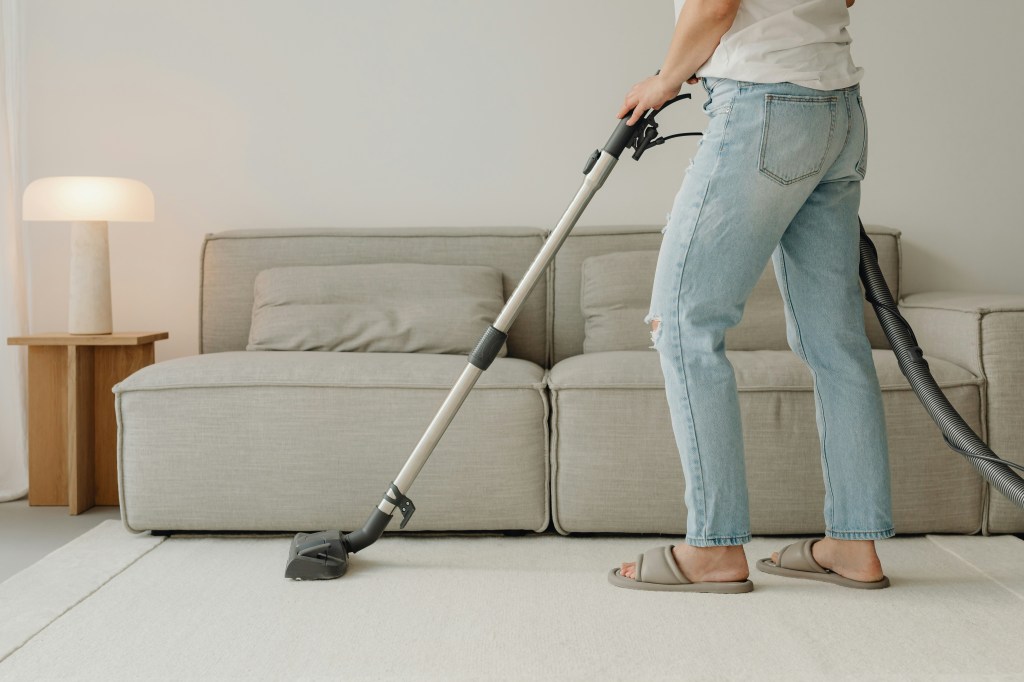
Maintaining a tidy environment is crucial for controlling cat allergies, as it reduces the presence of pet dander in your surroundings. By eliminating clutter, you make dusting and vacuuming more efficient, especially in areas that are typically difficult to clean. Vacuum cleaners with high-efficiency filters can greatly reduce contact with allergens from cats.
Consistently grooming your cat plays an important role too. Regularly brushing and washing them can vastly cut down on the amount of loose hair and dander present in your residence. Implementing thorough cleaning practices alongside habitual grooming can effectively manage cat dander levels and regulate allergy symptoms.
Allergen Spray
Allergen Spray is designed to tackle cat dander at the source, helping to reduce major allergens before they become a problem. Made with clean ingredients and backed by science, it’s a simple, effective way to refresh your home—just spray and enjoy!
Regular Vacuuming and Dusting
While vacuuming can be a tedious task, it is vital in the control of cat allergies. Using high-efficiency vacuums can greatly decrease the levels of allergens from cats within your household, achieving an impressive reduction exceeding 93% in the concentration of fel d 1.
Adhering to a routine that includes frequent vacuuming and wiping away dust is key for keeping a home clear of dander and minimizing allergic reactions. Maintaining such cleanliness through regular upkeep ensures minimal accumulation of dander, thereby enhancing comfort for both you and your feline companion.
Washing Pet Bedding and Toys
Regularly washing your pet’s bedding and toys is vital for maintaining a dander-free environment. Items like pet bedding, toys, and frequently used fabrics should be washed frequently to prevent dander buildup.
Keeping these items clean significantly reduces dander in your home and alleviates cat allergy symptoms.
Special Considerations for Multi-Pet Households
Multiple cats increase dander concentration exponentially. For homes with several feline residents:
- Increase cleaning frequency proportionally
- Consider zoned living spaces with separate filtration systems
- Implement a rotation schedule for thorough grooming
- Monitor allergic individuals closely for symptom escalation
Grooming Tips for Reducing Cat Dander
Regular grooming benefits your cat’s health and is crucial for reducing cat dander in your home. Regular brushing and bathing manage loose fur and dander, preventing it from spreading. A consistent grooming routine maintains lower dander levels and a healthier environment for both you and your cat.
Brushing and bathing are key components of an effective grooming routine. Both help remove loose fur and dander, but must be done correctly to avoid skin issues. Here are the specifics of each.
Brushing Your Cat
Frequent grooming is an excellent method to control the spread of loose fur and dander from cats, which helps to minimize allergens within your home environment, thus creating a space that’s more accommodating for individuals with allergies. The act of brushing also encourages better blood flow, which in turn benefits the health of your cat’s skin.
The kind of tool used can make a difference based on the coat type. For example, rubber brushes are particularly adept at removing dead hair from cats with short hair. Engaging in habitual brushing not only lessens dander but also contributes to maintaining a healthier and more vibrant fur coat.
Bathing Your Cat
Washing your cat can aid in eliminating dander and shedding fur, but it’s crucial to perform this task appropriately to prevent skin problems. Over-bathing can deplete vital oils from the feline’s skin, causing dryness that may actually boost dander levels. Utilize a shampoo designed for cats mixed with water to minimize irritation of their skin.
Make certain that your cat is completely dried off after their bath to discourage an overabundance of dander. If executed improperly, bathing might actually work against you. Hence, striking an equilibrium is imperative for preserving the well-being of your cat’s skin while also diminishing the presence of dander.
Creating Allergen-Free Zones at Home
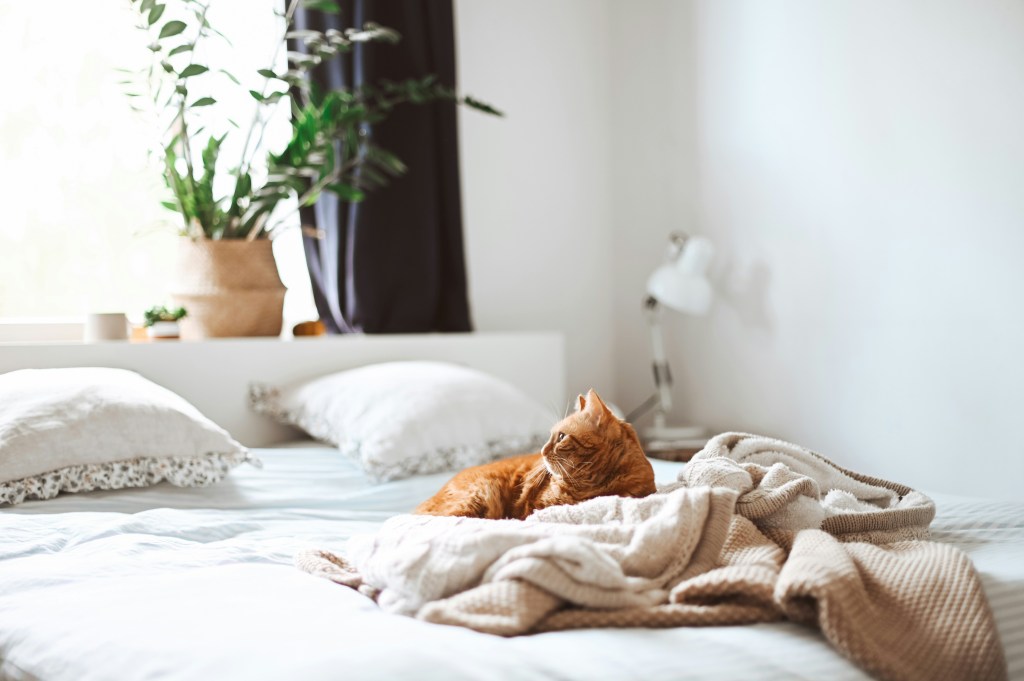
Establishing areas in your home that are free from pet allergens can greatly reduce allergy symptoms by creating environments devoid of pet contact. By designating spaces like bedrooms as no-pet zones, the total amount of allergens present is decreased, providing a sanctuary for those with allergies and contributing to an enjoyable living space.
Promoting the formation of these no-pet areas assists individuals with allergies, such as cat owners, in experiencing their homes without persistently dealing with allergy symptoms. Implementing this measure alongside additional cleaning and grooming routines forms an effective strategy for handling both general pet allergies and specific cat allergies.
Designating Pet-Free Bedrooms
Ensuring that pets, particularly cats, are kept out of bedrooms can create a sanctuary for those with allergies. By establishing specific areas within the home as off-limits to pets, such as bedrooms and spaces with upholstery—as well as home offices and children’s playrooms—you can markedly diminish the buildup of dander and foster a more healthy atmosphere.
Barring cats from entering sleeping quarters is instrumental in preserving an allergen-free zone for individuals prone to pet-related allergies. Such preventative measures guarantee that these individuals have access to an uncontaminated area where they can rest and recuperate away from perpetual exposure to allergens.
Using Air Purifiers
HEPA air purifiers work at minimizing airborne cat dander, thereby enhancing the quality of indoor air. They operate persistently to filter the environment, diminishing the accumulation of dander throughout your residence. By capturing and eliminating allergens, these purifiers can greatly ease symptoms associated with allergies and contribute to a more pleasant home atmosphere. For air purifiers to be truly effective, they must match the square footage of your space, be placed in every room, and have their filters changed regularly.
It is vital to perform routine upkeep and change filters as necessary for maintaining the efficiency of air purifiers. Proper maintenance ensures that they retain their full potential in lowering levels of allergens, thus optimizing your household’s air purity.
Consulting Your Vet
Veterinarians can offer specialized dietary (dried egg powder) advice to help decrease the amount of allergens in the saliva, which is a common trigger for allergy symptoms. A vet can recommend diets tailored to reduce your cat’s allergen output, but results aren’t guaranteed and may take several weeks to show effects.
Diets suggested by veterinarians frequently include components designed to counteract allergens. Following these recommendations assists in lowering the levels of allergens while also making certain that your cat’s nutritional requirements for optimal health are met.
Natural Remedies for Managing Cat Allergy Symptoms

Herbal remedies may offer relief from cat allergies by easing allergy symptoms in a more natural way, avoiding the side effects often associated with pharmaceutical treatments. Herbs that have antihistamine qualities can be particularly helpful in mitigating reactions such as sneezing and eye irritation. For instance, stinging nettle is recognized for its anti-inflammatory capabilities, which might contribute to reducing allergy symptoms.
The antioxidant quercetin, present in many plants, could play a role in controlling cells responsible for releasing histamines and thus aid in relieving allergic reactions. Integrating these natural solutions into your daily regimen could provide a holistic approach to managing allergies caused by cats.
Herbal Supplements
Natural remedies such as stinging nettle, butterbur, spirulina, and quercetin have the potential to ease symptoms associated with allergies. Their effectiveness is not consistent across individuals and consulting a healthcare professional before use is advised. Quercetin in particular acts as an antihistamine and may diminish allergy symptoms when it’s incorporated into one’s diet or taken in supplement form.
Drinking green tea might help control allergy-related symptoms thanks to its natural antihistamine effects. Additional supplements like butterbur and omega-3 fatty acids could offer relief too because of their anti-inflammatory benefits.
Nasal Rinses
Utilizing nasal saline rinses is an uncomplicated but potent method for alleviating symptoms of allergies by removing both allergens and mucus from the nasal cavities. By doing so, you diminish the effect of allergens considerably and enhance your ability to breathe more freely.
Medical Treatments for Severe Cat Allergies
Medical interventions can substantially alleviate the discomfort associated with severe cat allergies. Antihistamines, which are available without a prescription, work by obstructing histamines that trigger allergic reactions and thus mitigate symptoms of an allergy to cats.
For persistent and intense allergies, immunotherapy—commonly known as allergy shots—can be beneficial. This approach entails frequent injections containing the allergen with the aim of gradually fostering immune system resilience against it, potentially leading to a more enduring method of controlling allergic responses to cats.
Over-the-Counter Medications
Antihistamines such as loratadine, cetirizine, and diphenhydramine are widely available over-the-counter (OTC) and can effectively manage allergy symptoms resulting from cat dander. These OTC medications help relieve itchy eyes, sneezing, and a runny nose.
Decongestants are another type of allergy medication that can reduce nasal congestion and pressure. Although these OTC remedies offer symptom relief, it is crucial to adhere to the prescribed dosages and seek advice from a healthcare professional should the symptoms continue.
Allergy Shots (Immunotherapy)
Immunotherapy, a treatment involving consistent injections of allergens, assists in enhancing the immune system’s tolerance over time. By steadily introducing patients to cat allergens, this method allows the body to develop resistance and diminish the allergic reactions that can instigate allergies.
The administration of allergy shots necessitates a series of injections across a prolonged timeframe. Although this approach requires significant dedication due to its duration, it provides enduring relief for those suffering from intense allergies to cats, rendering it an option worth contemplating.
When to Consult a Healthcare Professional
It is essential to address allergy symptoms promptly. When home remedies fail to alleviate trigger symptoms, it’s imperative to seek medical advice for assistance. This becomes even more crucial for those suffering from asthma because uncontrolled allergies can exacerbate their respiratory issues.
To identify particular sensitivities such as cat allergies, healthcare providers may administer diagnostic procedures like skin or blood examinations. Preparing a record of the symptoms experienced and any familial history of allergies prior to consulting with a doctor will aid in receiving tailored and efficient treatment.
Managing cat allergies requires a multi-faceted approach, from regular cleaning and grooming to dietary changes and medical treatments. By understanding the source of your allergies and implementing these strategies, you can significantly reduce your exposure to cat dander and alleviate your symptoms.
Remember, it’s possible to enjoy the companionship of your feline friend without suffering from constant allergy symptoms. Stay proactive, consult with healthcare professionals when needed, and create a home environment that supports both your health and your love for cats.
Frequently Asked Questions
What is cat dander, and why does it cause allergies?
Cat dander is made up of tiny flakes of dead skin that cats shed, and it contains a protein called Fel d 1, which is a common trigger for allergies in sensitive people.
If you’re allergic to cats, it’s that protein that causes your symptoms.
How often should I vacuum to reduce cat dander?
To effectively reduce cat dander, aim to vacuum several times a week with a high-efficiency vacuum cleaner. This routine will help keep allergens at bay and make your home more comfortable.
Can changing my cat’s diet help with my allergies?
Absolutely, changing your cat’s diet can help with allergies by reducing the allergens they produce, like Fel d 1.
Consider specialized diets that include certain egg products to lower allergen levels in their saliva and fur.
Are there natural remedies that can help with cat allergies?
Yes, natural remedies like stinging nettle, quercetin, and DAO may help support your body’s response to cat allergens internally, along with nasal saline rinses to flush out allergens. The best natural remedy is to use Allergen Spray to control allergens before they cause discomfort. Prevention is key.
Give them a try and see if they work for you!
When should I consult a healthcare professional about my cat allergies?
You should consult a healthcare professional if your cat allergy symptoms continue even after trying home remedies.
They can help with proper diagnosis and potentially recommend effective treatments like immunotherapy.
 Goodbye Cat Dander